Cleaning a bearing bush is a crucial maintenance task that significantly impacts the performance and longevity of machinery. As a bearing bush supplier, I’ve witnessed firsthand the varying degrees of attention this process receives from different clients. Some understand its importance well, while others may overlook it, leading to unexpected machinery failures. In this blog, I’ll share comprehensive insights on how to clean a bearing bush effectively. Bearing Bush

Understanding the Basics
Before diving into the cleaning process, it’s essential to grasp why cleaning bearing bushes is so important. Bearing bushes, also known as plain bearings or sleeve bearings, are used to reduce friction between moving parts. Over time, these components can accumulate dirt, debris, metal shavings, and old lubricants. If not removed, this build – up can lead to increased friction, heat generation, and premature wear and tear. Not only does this affect the performance of the bearing bush itself, but it can also cause damage to the entire mechanical system.
Tools and Materials Required
To clean a bearing bush thoroughly, you’ll need the following tools and materials:
- Solvent: A high – quality cleaning solvent is essential. Options include mineral spirits, kerosene, or a specialized bearing cleaning solvent. The solvent should be able to dissolve grease and oil effectively without harming the bearing bush material.
- Brushes: Soft – bristle brushes are ideal for gently scrubbing the surface of the bearing bush. Different sizes of brushes can be used to reach all areas, including small grooves and holes.
- Lint – free Cloths: These are used to wipe the bearing bush dry after cleaning. Lint – free cloths prevent the transfer of fibers onto the bearing surface, which could cause further damage.
- Ultrasonic Cleaner (Optional): For hard – to – clean bearing bushes, an ultrasonic cleaner can be a great investment. It uses high – frequency sound waves to create tiny bubbles in the cleaning solution, which implode and remove dirt from the surface of the bearing bush.
- Latex Gloves: Wearing gloves protects your hands from the cleaning solvent and any sharp edges on the bearing bush.
Pre – cleaning Inspection
Before starting the cleaning process, it’s important to conduct a visual inspection of the bearing bush. Look for signs of damage such as cracks, scratches, or excessive wear. If you notice any severe damage, the bearing bush may need to be replaced rather than cleaned. Check the size and shape of the bearing bush to ensure it meets the specifications. Also, look for any signs of misalignment or poor installation, as these can contribute to dirt accumulation and premature failure.
Cleaning Steps
- Disassembly: If the bearing bush is part of a larger assembly, carefully disassemble it. Follow the manufacturer’s instructions to ensure that all components are removed correctly. Take note of the position and orientation of each part to facilitate reassembly later.
- Initial Rinsing: Place the bearing bush in a container filled with the cleaning solvent. Let it soak for a few minutes to loosen the dirt and debris. Gently agitate the bearing bush in the solvent to help dislodge any stubborn particles.
- Scrubbing: Use the soft – bristle brushes to scrub the surface of the bearing bush. Pay special attention to areas with heavy dirt or debris, such as the inner and outer diameters, oil grooves, and holes. Be gentle to avoid scratching the bearing surface. If you’re using an ultrasonic cleaner, place the bearing bush in the cleaner and follow the manufacturer’s instructions for the appropriate cleaning time and settings.
- Rinsing: After scrubbing, remove the bearing bush from the solvent and rinse it thoroughly with clean solvent. This helps to remove any remaining dirt and debris. Make sure all areas of the bearing bush are rinsed, including the small holes and grooves.
- Drying: Use a lint – free cloth to dry the bearing bush. Wipe it gently to remove all traces of the cleaning solvent. If possible, allow the bearing bush to air – dry completely before reassembly. This helps to prevent any moisture from remaining on the surface, which could lead to corrosion.
- Inspection After Cleaning: Once the bearing bush is dry, conduct another inspection. Check for any remaining dirt or debris. Inspect the surface for any cleaning – related damage, such as scratches or pitting. If the bearing bush passes the inspection, it’s ready for reassembly.
Reassembly and Lubrication
After cleaning, it’s time to reassemble the bearing bush. Apply a thin layer of appropriate lubricant to the bearing surface. The type of lubricant depends on the application and the requirements of the machinery. Common lubricants for bearing bushes include grease and oil. Make sure the lubricant is evenly distributed over the surface to ensure smooth operation. Reinstall the bearing bush into the machinery following the correct installation procedures. Torque any bolts or fasteners to the manufacturer’s specifications.
Maintenance Tips for Prolonged Use
To keep your bearing bushes in good condition for a long time, here are some maintenance tips:
- Regular Cleaning and Inspection: Set up a regular maintenance schedule for cleaning and inspecting your bearing bushes. The frequency depends on the operating conditions of the machinery. For example, in a high – dirt environment, more frequent cleaning may be required.
- Proper Lubrication: Ensure that the bearing bushes are always properly lubricated. Over – lubrication can cause dirt to accumulate, while under – lubrication can lead to increased friction. Follow the manufacturer’s recommendations for lubrication intervals and quantities.
- Monitor Operating Conditions: Keep an eye on the operating conditions of the machinery, such as temperature, vibration, and noise. Any abnormal changes could indicate a problem with the bearing bushes. If you notice any issues, take immediate action to prevent further damage.
Why Choose Our Bearing Bushes
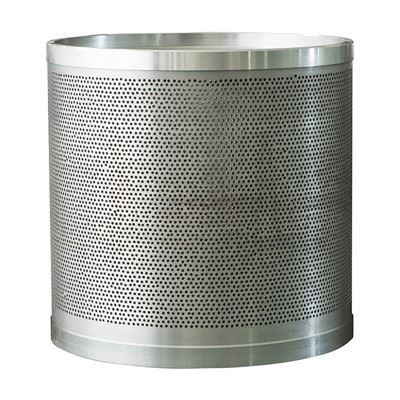
As a bearing bush supplier, we offer a wide range of high – quality bearing bushes. Our products are made from top – grade materials and are designed to withstand the toughest operating conditions. We have a team of experienced engineers who can provide technical support and help you select the right bearing bush for your application. In addition to providing high – quality products, we also offer excellent after – sales service. We understand that proper maintenance is key to the long – term performance of bearing bushes, and we’re here to help you every step of the way. Whether you need advice on cleaning, lubrication, or installation, our team is ready to assist you.
Gas Turbine Components If you’re in the market for bearing bushes or need further information on cleaning and maintenance, we encourage you to reach out to us. Our experts are available to answer your questions and discuss your specific requirements. A well – maintained bearing bush is the key to the smooth operation of your machinery, and we’re committed to helping you achieve that. Contact us to start the procurement discussion and experience the difference our products can make.
References
- "Bearings Handbook" by John F. Hall
- "Mechanical Design Engineering Handbook" by Maximillian Budynas and Jack Nisbett
- Industry – specific technical manuals provided by bearing manufacturers
Hebei Guoyuan Electric Co., Ltd.
With abundant experience, we are one of the most professional bearing bush manufacturers in China. We warmly welcome you to buy discount bearing bush for sale here and get pricelist from our factory. Quality products and low price are available.
Address: No. 18 Tianshan Science and Technology Industrial Park, No. 319 Xiangjiang Road, Shijiazhuang High-tech Zone, Hebei Province, China
E-mail: turbine@goineep.com
WebSite: https://www.goineep.com/
