As a seasoned supplier of robot accessories, I often encounter a wide array of questions from our clients. One query that frequently surfaces is whether it’s feasible to use robot accessories in high – humidity environments. This question is not only relevant but also crucial as the application of robots is expanding into diverse settings, some of which are characterized by high humidity, such as coastal regions, greenhouses, and industrial kitchens. Robot Accessories

Understanding High – Humidity Environments
High – humidity environments are defined by a relative humidity (RH) level of 60% or above. In these conditions, the air contains a significant amount of water vapor, which can have profound effects on various materials. For instance, in coastal areas, the combination of high humidity and salt in the air creates a particularly corrosive environment. Greenhouses, on the other hand, maintain high humidity to support plant growth, and industrial kitchens are constantly filled with steam, leading to elevated humidity levels.
The Impact of High Humidity on Robot Accessories
Corrosion
One of the most significant challenges posed by high humidity is corrosion. Metal components in robot accessories are particularly vulnerable. When metal is exposed to high humidity, the water vapor in the air can react with the metal surface, leading to the formation of rust. For example, steel parts can quickly develop a layer of iron oxide, which weakens the structure of the component over time. This corrosion can cause parts to become brittle, leading to mechanical failures and reduced lifespan of the robot accessories.
Electrical Malfunctions
High humidity can also wreak havoc on the electrical components of robot accessories. Water vapor can condense on circuit boards, causing short – circuits and electrical failures. Even a small amount of moisture on sensitive electronic parts can disrupt the flow of electricity, leading to erratic behavior or complete malfunction of the accessory. In addition, humidity can cause the insulation on wires to degrade, increasing the risk of electrical shocks and fires.
Mold and Mildew Growth
Another problem associated with high humidity is the growth of mold and mildew. These fungi thrive in warm, damp environments and can grow on various surfaces, including plastic and rubber parts of robot accessories. Mold and mildew not only look unsightly but can also cause damage to the materials. They can break down the structure of plastics and rubbers, making them less flexible and more prone to cracking. Moreover, mold spores can be harmful to human health, especially for those with respiratory problems.
Solutions for Using Robot Accessories in High – Humidity Environments
Material Selection
One of the key ways to mitigate the effects of high humidity is through careful material selection. For metal components, using corrosion – resistant materials such as stainless steel or aluminum can significantly reduce the risk of rusting. These metals have a protective oxide layer that prevents water and oxygen from reaching the metal surface. In addition, coatings can be applied to metal parts to provide an extra layer of protection. For example, a zinc coating can act as a sacrificial anode, corroding in place of the underlying metal.
When it comes to electrical components, using materials with high moisture resistance is essential. Epoxy – coated circuit boards can prevent moisture from seeping in and causing damage. Additionally, using sealed connectors and enclosures can protect the electrical parts from direct exposure to humidity.
For plastic and rubber parts, choosing materials that are resistant to mold and mildew is crucial. Some plastics are formulated with anti – microbial agents, which inhibit the growth of fungi. Similarly, rubber compounds can be treated to make them more resistant to the effects of high humidity.
Design Considerations
The design of robot accessories also plays a vital role in their performance in high – humidity environments. For example, incorporating drainage holes in enclosures can prevent the accumulation of water inside. This helps to reduce the risk of corrosion and electrical failures caused by standing water. Additionally, designing components with smooth surfaces can make it more difficult for mold and mildew to grow.
Ventilation is another important design consideration. Proper ventilation can help to reduce the humidity level inside the enclosure by allowing moist air to escape and fresh air to enter. This can be achieved through the use of vents or fans.
Maintenance and Care
Regular maintenance is essential for ensuring the longevity of robot accessories in high – humidity environments. This includes cleaning the components regularly to remove any dirt, dust, or mold that may have accumulated. Using a mild detergent and a soft cloth can effectively clean the surfaces without causing damage.
Inspecting the components for signs of corrosion, electrical problems, or mold growth on a regular basis is also crucial. Early detection of issues can allow for timely repairs or replacements, preventing more serious problems from occurring.
Testing and Quality Assurance
As a responsible robot accessories supplier, we conduct rigorous testing to ensure that our products can withstand high – humidity environments. We use environmental chambers to simulate different humidity levels and test the performance of our accessories over an extended period. This allows us to identify any potential issues and make necessary improvements to our products.
In addition, we adhere to strict quality control standards throughout the manufacturing process. Our products are inspected at multiple stages to ensure that they meet the highest quality and performance requirements.
Conclusion
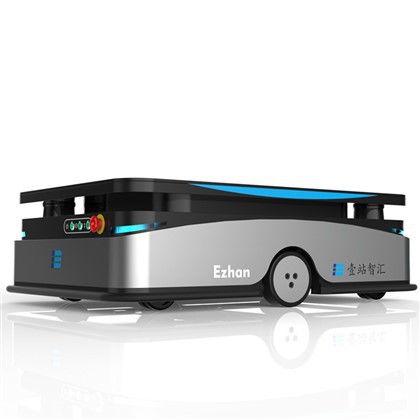
In conclusion, while using robot accessories in high – humidity environments presents several challenges, it is indeed possible with the right approach. By carefully selecting materials, considering design factors, implementing proper maintenance, and conducting thorough testing, we can ensure that our robot accessories perform reliably in these challenging conditions.
Software System If you are looking for high – quality robot accessories that are suitable for high – humidity environments, we are here to help. Our team of experts has extensive experience in developing and manufacturing accessories that can withstand the rigors of such environments. We are committed to providing our customers with the best products and services. Contact us today to discuss your specific requirements and explore how our robot accessories can meet your needs.
References
- ASM Handbook Volume 13A: Corrosion: Fundamentals, Testing, and Protection. ASM International.
- IEEE Standards for Environmental Conditions for Equipment Used in Power Generating Stations and Substations.
- ASTM Standards on Plastics and Rubber Testing in Humid Environments.
Shenzhen Ezhan Technology Co., Ltd.
We’re known as one of the most reliable robot accessories manufacturers and suppliers in China. With abundant experience, we warmly welcome you to buy bulk customized robot accessories from our factory. If you have any enquiry about cooperation, please feel free to email us.
Address: Room 1808, 1809, 1810, Building 2, Aipark, Baolong 4th Road, Longgang District, Shenzhen City
E-mail: sales01@ezhankeji.com
WebSite: https://www.ezhanrobot.com/
