Corrosion is a natural process that can significantly impact the performance and longevity of automotive components, including outer tie rod ends. As a supplier of outer tie rod ends, I’ve witnessed firsthand the detrimental effects of corrosion on these critical parts. In this blog post, I’ll delve into how corrosion affects an outer tie rod end, why it’s a concern, and what can be done to mitigate its impact. Outer Tie Rod End
Understanding the Outer Tie Rod End
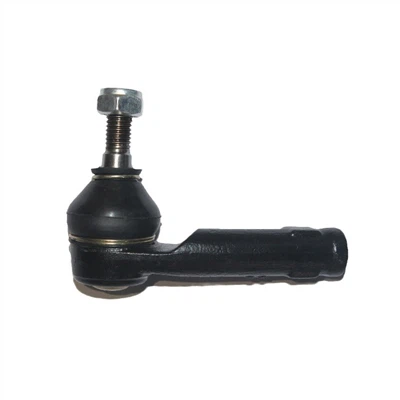
Before we explore the effects of corrosion, let’s first understand what an outer tie rod end is and its role in a vehicle’s steering system. The outer tie rod end is a crucial component that connects the steering knuckle to the steering rack or linkage. It allows for the transfer of steering input from the driver to the wheels, enabling the vehicle to turn smoothly and accurately.
The outer tie rod end consists of a ball joint and a threaded shaft. The ball joint provides a flexible connection between the tie rod and the steering knuckle, allowing for movement in multiple directions. The threaded shaft is used to adjust the length of the tie rod, which is essential for proper wheel alignment.
How Corrosion Occurs
Corrosion is a chemical reaction that occurs when a metal comes into contact with oxygen and moisture. In the case of outer tie rod ends, the metal components are exposed to various environmental factors, such as road salt, water, and dirt, which can accelerate the corrosion process.
When the protective coating on the outer tie rod end is damaged or compromised, the metal is exposed to the elements. Oxygen and moisture react with the metal, forming rust and other corrosion products. Over time, the corrosion can weaken the structure of the tie rod end, leading to a variety of problems.
Effects of Corrosion on an Outer Tie Rod End
- Weakening of the Structure: Corrosion can cause the metal to become brittle and lose its strength. As the corrosion progresses, the outer tie rod end may develop cracks or fractures, which can compromise its structural integrity. This can lead to a failure of the tie rod end, resulting in a loss of steering control and potentially dangerous driving conditions.
- Reduced Mobility: The ball joint in the outer tie rod end allows for smooth movement between the tie rod and the steering knuckle. Corrosion can cause the ball joint to seize or bind, reducing its mobility. This can make it difficult to turn the steering wheel, resulting in a stiff or unresponsive steering feel.
- Increased Wear and Tear: Corrosion can also cause increased wear and tear on the outer tie rod end and other steering components. As the tie rod end becomes corroded, it may not function properly, leading to uneven tire wear and premature failure of other steering parts.
- Alignment Issues: The length of the outer tie rod end is critical for proper wheel alignment. Corrosion can cause the threaded shaft to become damaged or corroded, making it difficult to adjust the length of the tie rod. This can result in improper wheel alignment, which can lead to uneven tire wear, poor handling, and reduced fuel efficiency.
Preventing Corrosion
As a supplier of outer tie rod ends, we take several steps to prevent corrosion and ensure the quality and durability of our products. Here are some of the measures we implement:
- High-Quality Materials: We use high-quality materials in the manufacturing of our outer tie rod ends, including corrosion-resistant metals and coatings. These materials are designed to withstand the harsh environmental conditions and prevent corrosion from occurring.
- Protective Coatings: We apply a protective coating to the outer tie rod end to provide an additional layer of protection against corrosion. The coating helps to prevent oxygen and moisture from coming into contact with the metal, reducing the risk of corrosion.
- Quality Control: We have a rigorous quality control process in place to ensure that our outer tie rod ends meet the highest standards of quality and performance. We test each tie rod end for strength, durability, and corrosion resistance before it is shipped to our customers.
- Proper Installation and Maintenance: We provide our customers with detailed installation and maintenance instructions to ensure that the outer tie rod ends are installed correctly and maintained properly. Proper installation and maintenance can help to prevent corrosion and extend the lifespan of the tie rod ends.
Conclusion

Corrosion is a serious issue that can have a significant impact on the performance and longevity of outer tie rod ends. As a supplier of outer tie rod ends, we understand the importance of preventing corrosion and ensuring the quality and durability of our products. By using high-quality materials, applying protective coatings, implementing a rigorous quality control process, and providing proper installation and maintenance instructions, we can help our customers avoid the problems associated with corrosion and ensure the safe and reliable operation of their vehicles.
Ball Joint If you’re in the market for high-quality outer tie rod ends, we invite you to contact us to discuss your needs. Our team of experts is available to answer your questions and provide you with the information you need to make an informed decision. We look forward to working with you to meet your automotive component needs.
References
- "Automotive Steering Systems: Design and Analysis" by David Crolla
- "Corrosion and Corrosion Control: An Introduction to Corrosion Science and Engineering" by H. H. Uhlig and R. W. Revie
- "The Automotive Handbook" by Bosch
Taizhou Huazhe Auto Parts Co., Ltd.
As one of the most professional outer tie rod end manufacturers and suppliers in China, we’re featured by quality products and low price. Please rest assured to buy bulk high-grade outer tie rod end in stock here from our factory. For pricelist, contact us now.
Address: No. 2828, Binkang Avenue, Sanjia Street, Taizhou Bay New Area, Taizhou City, Zhejiang Province
E-mail: 19906762800@163.com
WebSite: https://www.huazheindustry.com/
