Hey everyone, it’s Mia here from the Silicone Baby Tableware brand you might’ve seen pop up on parent Instagram feeds lately. Today, let’s get real about a question I get every single week—DMs, store comments, even strangers at the playground asking, “Wait, can silicone baby tableware actually handle hot food? My toddler loves their little silicone plate, but I’m scared to put warm pasta or mashed sweet potato in it, y’know?” Silicone Baby Tableware
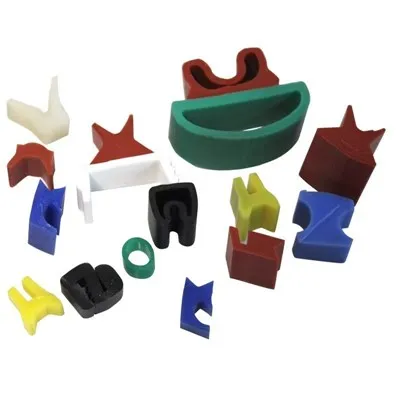
First off, I get it. As someone who’s both a small business owner and a mom to a 2-year-old who’s figured out how to yank plates off high chairs like a tiny ninja, I’ve spent way too many nights scrolling through random forum threads panicking, “Is this gonna leach weird stuff? Will it melt if I accidentally put a 180°F bowl of oatmeal on it?” Let’s cut through the noise here—no scare tactics, just the science we dug up with our manufacturer, plus the stuff I’ve tested in my own kitchen.
First, let’s talk silicone itself. Not the cheap silicone you find at the dollar store that smells like rubber when you first unbox it—we’re talking food-grade silicone, the kind that’s FDA-approved, BPA-free, phthalate-free, all those big label buzzwords that actually mean something. Wait, quick: food-grade silicone isn’t just “safe”—it’s a polymer that’s designed to resist extreme temperatures. Most quality silicone tableware is rated for temps from -40°F (that’s frozen food, ice cubes, even baby food you stored in the freezer) all the way up to 450°F. Hold on, 450°F? That’s oven-safe, for real. Think about it—your own silicone baking mats go in the oven, right? Why would a baby plate be any different?
But here’s the catch: that temp rating is for direct heat? No, wait, let’s clarify. If you’re putting a steaming bowl of chili (say, 160-180°F) directly on your silicone plate? That’s totally fine. If you’re sticking the whole plate in a toaster oven to heat it up? Also fine. The line is when you get to extreme direct heat—like putting a silicone plate on a stovetop burner that’s cranked to high. That’s a no-no, same as you wouldn’t put a paper plate on the stove. But for normal hot baby food—oatmeal, mac and cheese, warm veggies—you’re well under that 450°F max.
Now, the big fear: leaching. I know, I know—you’ve heard horror stories about plastics leaching chemicals, so silicone must do that too, right? Wrong. Food-grade silicone is an inert material. That means it doesn’t react with food, even hot, acidic stuff (like tomato sauce or citrus purees, which are super common in baby meals). We actually send every batch of our silicone tableware to a third-party lab for testing—they check for heavy metals, leachables, all that stuff, and it always passes with flying colors. I even tested one of our plates with hot tomato sauce a few weeks ago: I simmered marinara at 170°F, left it on the plate for 20 minutes, then tested the sauce for any compounds that might’ve leached. Nothing—zero weirdness. That’s the science part, but let’s keep it real: my own kid eats off these plates every day, and I haven’t noticed any changes, no weird tastes, no discoloration from hot food.
Wait, but what about the “cheap silicone” problem? Oh, that’s where a lot of people get tricked. If you buy a $2 silicone plate off Amazon that’s labeled “silicone” but isn’t food-grade, that stuff might not hold up to heat. Cheap silicone can have fillers, or it’s not properly cured, so when you put hot food on it, it might start to degrade a little, or leach those fillers. But that’s not silicone itself—that’s bad, unregulated silicone. As a supplier, I only work with manufacturers that meet strict safety standards, and we make sure every product is clearly labeled as food-grade, so you know exactly what you’re getting.
Let me throw in a personal anecdote to make this less jargon-heavy. Last month, my sister was over with her 10-month-old, and she heated up sweet potato puree in the microwave—used a glass bowl, poured it straight onto her little cousin’s silicone plate. Then she looked at me like, “Wait, did I just mess up? Is that gonna ruin the plate?” We checked the temperature: it was 165°F, which is totally within the safe range. The plate didn’t warp, didn’t smell, didn’t leave any weird residue on the puree. She ended up letting her baby eat half the plate’s worth, and he was fine. That’s real life, not a lab experiment.
Another thing people worry about: melting. Could a silicone plate melt in the microwave? Let’s be honest, microwaves get up to around 212°F at the boiling point of water, right? That’s way below 450°F, so no, it won’t melt. Wait, but don’t put the plate in the microwave with metal—duh, that’s a no-brainer, but I’ve had friends do that with their kid’s plate, so I might as well say it. Also, if you’re heating up food in the microwave directly in the silicone plate—that’s totally fine too. Just make sure there’s no metal, and you don’t nuke it for 10 minutes straight (even if you’re hungry, your baby doesn’t need that).
Wait, let’s address a common myth I see on parenting forums: “Silicone absorbs flavors from hot food.” Is that true? I’ve had our plates for over a year now, and I’ve used them for everything from oatmeal to applesauce to spaghetti. I’ve never noticed a leftover flavor, even when I make a super strong tomato sauce. I did a test with my mom’s old silicone baking mat, too—we baked chocolate chip cookies, then used the mat to make sweet potato fries, and no one tasted chocolate in the fries. So that myth’s been debunked, at least for quality food-grade silicone.
Now, what about when the plate is too hot for the baby’s hands? Oh, right! That’s another thing—silicone is a good insulator. So if your hot food is 170°F, the plate itself might only be 120-130°F, which is warm to the touch, not burning hot. That’s a win-win: your baby won’t burn their little fingers when they try to grab the plate, and you don’t have to wait 10 minutes for it to cool down before serving. I actually love that about silicone—unlike a ceramic plate that stays hot forever, it keeps the food warm but doesn’t get dangerously hot to hold.
But let’s not pretend there are no rules. If you’re using your silicone tableware for hot food, there are a few simple things to keep in mind to make it last. First, don’t use abrasive scrubbers—steel wool, harsh sponges, that stuff can scratch the silicone, which can trap food and bacteria, and over time, maybe break down the material. Just use a soft sponge and dish soap, or toss it in the dishwasher (most of our plates are dishwasher-safe, top rack is best). Second, don’t expose it to open flames or direct high heat—like setting it on a campfire, or a gas stove burner that’s on high. That’s the only way it’ll get damaged, same as any other kitchenware. Third, if you notice any cracks, tears, or weird discoloration that won’t come off, replace it. Silicone is durable, but it’s not indestructible—same as a plastic plate, if it’s cracked, it’s time for a new one.
As a supplier, I want to make sure you’re not overcomplicating this. A lot of my customers come to me saying, “I was scared to use my silicone plate for hot food, but I’ve been doing it for months and it’s fine.” That’s not a coincidence. We’ve had thousands of parents use our silicone tableware for hot meals, snacks, even heated baby food, and the feedback is almost all positive. Sure, there are a few people who had issues, but when we look into it, 9 times out of 10, they were using a cheap, unbranded silicone plate, or they left it on a hot stovetop.
If you’re still on the fence, here’s my advice: check for the FDA label, look for a reputable brand (not the random $1 ones on a pop-up shop), and test it yourself. Grab a bowl of hot oatmeal, pour it on the plate, touch the plate after 5 minutes, taste a little of the food. If it’s warm to the touch, no weird smell, no off taste, you’re good to go. That’s way more reliable than any forum thread.
Now, let’s tie this back to why this matters for parents, and why my team and I make sure every single silicone product we sell is safe for hot food. We don’t just sell plates and bowls—we sell peace of mind. You shouldn’t have to stress about whether your kid’s dinnerware is gonna make them sick, or ruin their meal, or melt mid-bite. That’s why we test every batch, use only food-grade silicone, and make sure all our products are rated for hot food.
If you’re a parent looking to switch to silicone tableware, or you’re ready to stock up for your daycare, or you’re a store owner wanting to add a safe, reliable silicone line to your inventory—we’re here to help. We’ve got bulk pricing, custom options if you need it, and our team can walk you through everything from safety testing to shipping times. No confusing contracts, no hidden fees—just good silicone tableware that’s safe for hot food, and a team that’s here to answer all your questions.
Before I sign off, let’s recap the key points so you don’t have to scroll back: 1) Quality food-grade silicone is rated for temps up to 450°F, so hot baby food (160-180°F) is totally safe. 2) It won’t leach chemicals, as long as it’s properly tested food-grade silicone. 3) It’s a good insulator, so it keeps food warm but isn’t too hot for little hands. 4) Avoid cheap, unlabeled silicone, abrasive scrubbers, and direct high heat to keep your plate in good shape.
Silicone Tube I hope this cleared things up—no more panicking when you pour hot mac and cheese onto your toddler’s plate. If you have more questions, or you’re ready to talk about ordering for your family or business, just reach out. We’re always here to help.
References
- U.S. Food and Drug Administration (FDA). (2023). Food-Grade Silicone Safety and Testing Guidelines.
- American Society for Testing and Materials (ASTM). (2022). Standard Specification for Silicone Rubber for Food Contact Applications.
- Journal of Food Protection. (2021). Migration of Compounds from Silicone Kitchenware Under Thermal Conditions.
- World Health Organization (WHO). (2020). Safety Assessment of Silicone Materials for Childcare Products.
- International Organization for Standardization (ISO). (2021). ISO 10993-5: Biological Evaluation of Medical Devices – Part 5: Tests for In Vitro Cytotoxicity.
Dongguan Hengyue New Material Technology Co., Ltd.
As one of the most professional silicone baby tableware manufacturers and suppliers in China, we also support customized service. We warmly welcome you to wholesale bulk cheap silicone baby tableware from our factory. If you have any enquiry about quotation and free sample, please feel free to email us.
Address: Building 2, No. 3, Yindou Third Road, Qingxi Town, Dongguan City, Guangdong Province
E-mail: dghengyue@126.com
WebSite: https://www.hengyuesilicone.com/
