In the dynamic field of injection molding, the efficiency and precision of operations are crucial for overall productivity and product quality. An injection molding robot represents a significant leap forward in automating the injection molding process, offering enhanced speed, accuracy, and repeatability. Among the many factors contributing to the successful operation of these robots, hydraulic requirements play a pivotal role. As a leading supplier of injection molding robots, I’d like to delve into the key hydraulic requirements that are essential for the optimal performance of these advanced machines. Injection Molding Robot
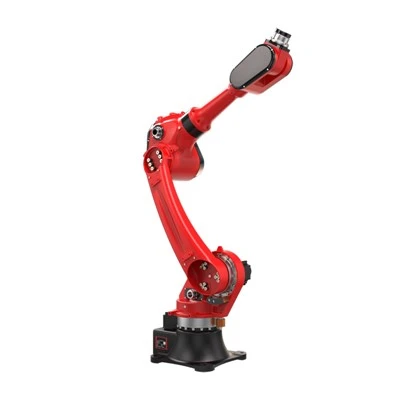
Basic Hydraulic System Components in Injection Molding Robots
The hydraulic system of an injection molding robot is a complex yet well – orchestrated ensemble of components. At its core, it consists of a hydraulic pump, hydraulic cylinders, valves, and a hydraulic reservoir.
The hydraulic pump is the heart of the system. It is responsible for converting mechanical energy into hydraulic energy by creating flow and pressure. In injection molding robots, high – pressure pumps are often used to generate the force required for rapid and precise movement. The type of pump can vary, with gear pumps, vane pumps, and piston pumps being the most common options. Gear pumps are simple and cost – effective, suitable for applications with relatively low – to – medium pressure requirements. Vane pumps offer better efficiency and noise reduction compared to gear pumps, while piston pumps are capable of delivering high pressures and are ideal for heavy – duty applications.
Hydraulic cylinders are the actuators that translate the hydraulic energy into linear motion. They are used to control the movement of the robot’s arms, grippers, and other functional parts. The design and size of the hydraulic cylinders are carefully selected based on the specific requirements of the injection molding process, such as the load capacity, stroke length, and speed of movement.
Valves are used to control the flow, pressure, and direction of the hydraulic fluid. Directional control valves determine the path of the fluid, allowing the robot to move in different directions. Pressure control valves, including relief valves and pressure reducing valves, ensure that the pressure in the system remains within the safe and optimal range. Flow control valves regulate the speed of the hydraulic cylinders, enabling precise control of the robot’s movement.
The hydraulic reservoir serves as a storage tank for the hydraulic fluid. It also helps to dissipate heat, separate air bubbles from the fluid, and remove contaminants. A properly sized reservoir is essential to ensure the stable operation of the hydraulic system.
Pressure Requirements
Pressure is a critical parameter in the hydraulic system of an injection molding robot. The required pressure depends on various factors, including the load to be moved, the speed of movement, and the type of operation.
When the robot needs to pick up heavy – weight molded parts or perform tasks that require high – force application, a higher pressure is needed. For example, in a large – scale injection molding process where the molded parts have a significant mass, the hydraulic system must be capable of generating sufficient pressure to lift and transfer these parts accurately. The pressure should be high enough to overcome the gravitational force and any frictional forces acting on the robot’s components.
However, excessive pressure can also cause problems. It can lead to increased wear and tear on the hydraulic components, such as seals and cylinders, and may also pose a safety risk. Therefore, it is essential to accurately calculate and set the appropriate pressure for each specific application. This often involves working closely with the customer to understand their production requirements and then fine – tuning the hydraulic system accordingly.
Flow Rate Requirements
The flow rate of the hydraulic fluid directly affects the speed of the robot’s movement. A higher flow rate allows the hydraulic cylinders to extend and retract more quickly, resulting in faster cycle times for the injection molding process.
In high – speed injection molding operations, where multiple molds are being processed in a short period, a large flow rate is essential. This ensures that the robot can rapidly move between different workstations, pick up and place the molded parts, and perform other necessary tasks without causing any bottlenecks in the production line.
On the other hand, the flow rate also needs to be controlled precisely to achieve smooth and accurate movement. If the flow rate is too high, it can cause the robot to move erratically, leading to inaccurate part placement and potential damage to the molds or the robot itself. Flow control valves are used to adjust the flow rate according to the specific requirements of each movement, ensuring a balance between speed and precision.
Fluid Quality and Maintenance
The quality of the hydraulic fluid is of utmost importance for the long – term performance and reliability of the injection molding robot. The hydraulic fluid serves several functions, including lubrication, heat transfer, and sealing.
Contaminants in the hydraulic fluid, such as dirt, metal particles, and moisture, can cause serious damage to the hydraulic components. Dirt and metal particles can act as abrasives, wearing down the internal surfaces of the pumps, cylinders, and valves. Moisture can cause corrosion and oxidation, reducing the effectiveness of the fluid’s lubricating properties.
To maintain the quality of the hydraulic fluid, regular filtration and monitoring are necessary. A well – designed filtration system should be in place to remove contaminants from the fluid. The filter should be replaced at regular intervals to ensure its effectiveness. Additionally, the fluid level, temperature, and viscosity should be monitored regularly to detect any potential issues early.
Proper maintenance of the hydraulic system also includes regular inspection of the hydraulic hoses, fittings, and seals. Leaks can lead to a loss of hydraulic fluid, reduced system performance, and potential safety hazards. Any signs of leakage should be addressed immediately by replacing the damaged components.
Cooling Requirements
The hydraulic system in an injection molding robot generates a significant amount of heat during operation. This heat is a by – product of the energy conversion process in the hydraulic pump and the friction generated within the system.
Excessive heat can have a detrimental effect on the performance and lifespan of the hydraulic components. It can cause the hydraulic fluid to break down, reducing its lubricating properties. High temperatures can also cause the seals to expand and lose their sealing effectiveness, leading to leaks.
To prevent overheating, a cooling system is required. There are several types of cooling systems available, including air – cooled and water – cooled systems. Air – cooled systems are relatively simple and cost – effective, using fans to dissipate heat from the hydraulic fluid. Water – cooled systems, on the other hand, are more efficient and are capable of removing a larger amount of heat. They are often used in high – power injection molding robots where the heat generation is significant.
The cooling system should be sized appropriately based on the heat load of the hydraulic system. Regular maintenance of the cooling system, such as cleaning the heat exchangers and checking the coolant levels, is essential to ensure its proper functioning.
Compatibility with the Injection Molding Process
The hydraulic requirements of an injection molding robot must also be compatible with the overall injection molding process. The robot’s movement and operation should be synchronized with the opening and closing of the mold, the injection of the plastic material, and other process steps.
For example, the robot needs to be able to pick up the molded part at the right time after the mold has opened. This requires precise control of the robot’s movement speed and position, which is directly related to the hydraulic system’s performance. The hydraulic system should be able to respond quickly to the control signals, allowing the robot to perform its tasks in a timely and accurate manner.
In addition, the robot may need to interact with other equipment in the injection molding production line, such as conveyors and trimming machines. The hydraulic system should be designed to work seamlessly with these other components, ensuring a smooth and efficient production process.
Conclusion
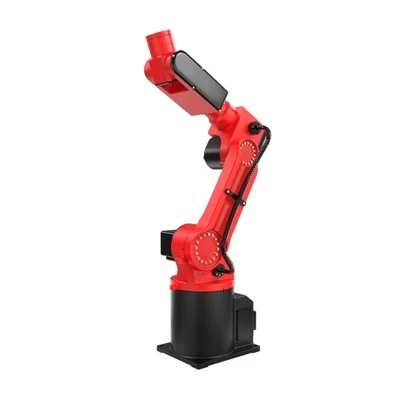
As an injection molding robot supplier, we understand the critical role that hydraulic requirements play in the performance of our robots. From the basic components of the hydraulic system to the specific requirements for pressure, flow rate, fluid quality, cooling, and process compatibility, every aspect needs to be carefully considered and optimized.
CNC Robot By providing high – quality injection molding robots with well – designed hydraulic systems, we can help our customers improve their production efficiency, enhance product quality, and reduce costs. If you are in the market for an injection molding robot and want to learn more about how our products can meet your specific needs, we encourage you to contact us for a detailed discussion. Our team of experts is ready to work with you to find the best solution for your injection molding operations.
References
- Bosch Rexroth Hydraulic Systems Handbook
- Parker Hannifin Hydraulic Component Catalog
- Injection Molding Technology by Rosato and Rosato
Robotic Technology (GD) Co., Ltd.
Robotic Technology (GD) Co., Ltd. is one of the most experienced injection molding robot manufacturers and suppliers in China, also supports custom service and one year warranty. Please feel free to wholesale CE approved injection molding robot for sale here from our factory. Contact us for quotation.
Address: Room 102, No. 30,Hengfeng 2nd Road,Daguo, Changping Town, Dongguan City,Guangdong,China
E-mail: admin@iroboticplus.com
WebSite: https://www.rb-tic.com/
