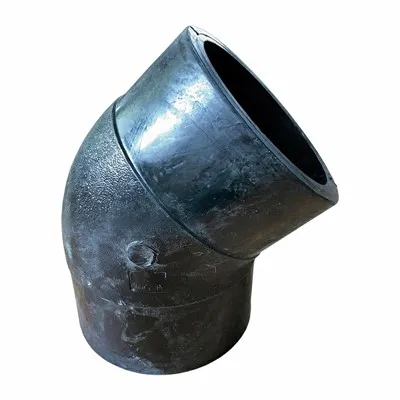
Transporting large-sized ASTM IPS inch butt fusion fittings necessitates careful planning and execution to ensure the safety and integrity of the products. As a seasoned supplier of these high – quality fittings, I’ve navigated through numerous challenges and learned effective strategies for transporting these large and often delicate items. ASTM IPS Inch Butt Fusion Fittings
Understanding the Challenges
First and foremost, large – sized ASTM IPS inch butt fusion fittings are bulky. Their significant physical dimensions make them difficult to handle in the ordinary sense. Regarding weight, these fittings are heavy, and this weight can pose risks during loading, unloading, and transit. For instance, if not properly lashed or supported, the fittings can shift inside the transport vehicle. This shifting might cause them to collide with each other or with the interior of the vehicle, leading to scratches, dents, or even more severe structural damage.
Moreover, the nature of the material used in ASTM IPS inch butt fusion fittings requires special attention. Many of these fittings are made of materials that can be sensitive to temperature and humidity changes. Extreme heat can cause the material to expand, while extreme cold can make it brittle. Fluctuations in humidity can also lead to corrosion or other forms of degradation, especially for metal – based components.
Another challenge is the regulatory aspect. Different regions have different regulations regarding the transportation of large and heavy goods. These regulations cover aspects such as maximum weight limits per axle, height and width restrictions on roads, and the need for special permits. Failure to comply with these regulations can result in fines, delays, and even legal issues.
Pre – transport Preparations
Before any transportation takes place, a detailed inspection of the large – sized ASTM IPS inch butt fusion fittings is essential. This inspection should cover the entire surface of the fittings to check for any pre – existing damage, such as cracks or irregularities. Any minor issues should be addressed immediately to prevent them from worsening during transit.
Proper packaging is crucial for protecting the fittings. We typically use custom – made crates or pallets that are designed to fit the specific dimensions of the fittings. These crates are constructed from high – strength materials, such as thick – walled wood or heavy – duty plastic. Inside the crates, we use shock – absorbing materials like foam or rubber padding to cushion the fittings and prevent them from moving around.
Documentation is another key aspect of pre – transport preparations. We ensure that all necessary paperwork is in order. This includes bills of lading, which detail the quantity and description of the fittings being transported, as well as any certificates of compliance with ASTM standards. Additionally, we obtain all required permits for the transportation of large and heavy goods, which vary depending on the route and destination.
Choosing the Right Transportation Method
One of the most important decisions is choosing the appropriate transportation method. For shorter distances, road transportation is often the most practical choice. Trucks offer flexibility in terms of pick – up and delivery locations. When selecting a truck, we consider the size and weight capacity of the vehicle. A flatbed truck is usually a good option as it allows for easy loading and unloading of the large – sized fittings. We also ensure that the truck is equipped with the necessary tie – down equipment, such as straps and chains, to secure the fittings firmly.
For longer distances, especially when transporting across countries or continents, sea freight is a more cost – effective solution. Shipping containers are used to transport the fittings, which provide additional protection from the elements. When loading the fittings into containers, we stack them in a way that maximizes space while ensuring that they remain stable. We also make use of bracing materials inside the container to prevent the fittings from shifting during the long – haul journey.
In some cases, air freight might be considered, although it is the most expensive option. Air freight is typically used for urgent deliveries or when transporting high – value and relatively smaller – quantity large – sized ASTM IPS inch butt fusion fittings. However, strict weight and size limitations apply in air transportation, and we need to ensure that our fittings comply with these regulations.
Safety Measures During Transit
During transit, continuous monitoring of the fittings’ condition is crucial. We use tracking devices to monitor the location and movement of the transport vehicles or containers. These tracking devices can also be equipped with sensors to detect any abnormal vibrations or shocks that might indicate improper handling or a collision.
Regular checks should be carried out during stops. For road transportation, drivers are instructed to inspect the tie – down equipment at regular intervals and ensure that the fittings remain securely fastened. In the case of sea freight, container inspections are performed at ports to check for any signs of damage or water ingress.
The transport environment also needs to be carefully controlled. As mentioned earlier, temperature and humidity can affect the fittings. For long – distance transportation, especially in extreme climates, we might use climate – controlled containers or vehicles to maintain a stable environment for the fittings.
Unloading and Final Inspection
Upon arrival at the destination, proper unloading procedures are essential. Specialized equipment, such as cranes or forklifts, should be used to lift and move the large – sized ASTM IPS inch butt fusion fittings safely. Operators of this equipment should be well – trained to handle the weight and size of the fittings.
A final inspection of the fittings is conducted after unloading. This inspection is similar to the pre – transport inspection but is also focused on identifying any damage that might have occurred during transit. If any damage is found, detailed documentation should be created, and immediate communication with the relevant parties, such as the transportation service provider and the customer, should be established.
Conclusion
Transporting large – sized ASTM IPS inch butt fusion fittings is a multi – faceted process that requires meticulous planning, proper execution, and continuous monitoring. From understanding the challenges inherent in the nature of these fittings and the regulatory environment to carefully selecting the transportation method and implementing strict safety measures, every step plays a crucial role in ensuring that the fittings reach their destination in perfect condition.
If you’re in the market for high – quality ASTM IPS inch butt fusion fittings and want to discuss your transportation needs, I’m here to assist. Contact our sales team to start a conversation about how we can provide the best solutions for your purchasing requirements. Let us work together to ensure a smooth and successful procurement process.
Butt Fusion Fittings References
- ASTM International Standards for IPS Inch Butt Fusion Fittings
- Transportation Regulations for Bulky and Heavy Goods by Local and National Transport Authorities
- Industry Best Practices for Packaging and Transporting Large Industrial Components
Qingdao Polyfusion Machinery Co., Ltd.
As one of the most professional ASTM IPS inch butt fusion fittings manufacturers and suppliers in China, we have world-leading production equipment and strong manufacturing capabilities. Please feel free to buy bulk high quality ASTM IPS inch butt fusion fittings from our factory.
Address: Chengyang Industry Zone, Chengyang, Qingdao, Shandong, China
E-mail: export01@qdpolyfusion.com
WebSite: https://www.polyfusionfittings.com/
