Yo! As a supplier of LED controllers and RF remotes, I often get asked a bunch of questions from customers. One question that pops up quite a bit is, "Can I use an RF remote and LED controller in a cold environment?" Let’s dig into this topic and find out the answer. LED Controller and RF Remote
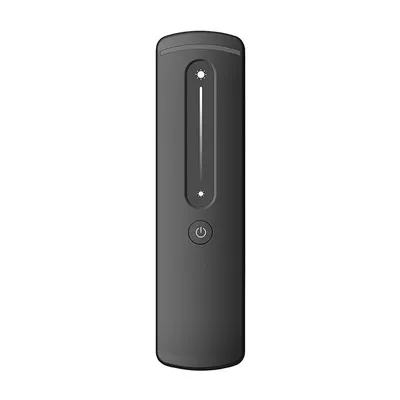
First off, let’s talk about how cold environments can affect electronic devices in general. Cold temperatures can have some real impacts on the performance and lifespan of electronics. When it gets cold, the chemical reactions inside batteries slow down. This means that the battery won’t be able to deliver power as efficiently as it does in normal temperatures. For an RF remote that runs on batteries, this could mean a shorter battery life and a weaker signal.
Imagine you’re trying to use your RF remote to change the color of your LED lights on a freezing winter day. If the battery in the remote is struggling due to the cold, you might find that you have to be really close to the LED controller for the remote to work. Sometimes, it might not work at all, and you’ll be left scratching your head, wondering what’s going on.
Now, let’s look at the LED controller itself. LED controllers are made up of various components like circuit boards, capacitors, and resistors. Cold temperatures can cause these components to contract. This contraction can lead to issues like loose connections or even damage to the components over time. If the connections inside the LED controller become loose, the controller might not be able to function properly. You could experience problems like flickering lights, erratic color changes, or the lights not turning on or off at all.
However, it’s not all doom and gloom. Some LED controllers and RF remotes are designed to handle cold environments better than others. At our place, we’ve got products that are built with high – quality materials and components that can withstand lower temperatures. We use special types of capacitors and resistors that are less affected by the cold. And for the circuit boards, we apply a protective coating that helps prevent moisture from getting in and causing damage, which is especially important in cold and damp conditions.
When we test our products, we put them through some pretty tough cold – weather simulations. We expose the LED controllers and RF remotes to temperatures as low as – 20°C (- 4°F) to see how they perform. And let me tell you, our products hold up really well. The RF remotes still send strong signals, and the LED controllers keep the lights running smoothly.
But even with our high – quality products, there are still some things you need to keep in mind if you’re planning to use an RF remote and LED controller in a cold environment. First, make sure to store the RF remote in a warm place when you’re not using it. This will help keep the battery in good condition. Second, if you’re installing the LED controller outdoors, make sure it’s properly protected. You can use a waterproof and insulated enclosure to shield it from the cold and moisture.
Another thing to consider is the type of LED lights you’re using with the controller. Some LED lights are more sensitive to cold temperatures than others. For example, some cheap LED strips might not work as well in the cold as high – end ones. So, when you’re choosing LED lights to go with our controller and remote, it’s a good idea to pick ones that are rated for cold – weather use.
Now, let’s get into the technical details a bit more. The performance of an RF remote in a cold environment is mainly affected by two things: the battery and the RF transmitter. As I mentioned earlier, the battery’s performance drops in cold temperatures. The voltage output of the battery decreases, which can lead to a weaker RF signal. The RF transmitter also needs a certain amount of power to function properly. If the power supply is low, the range of the remote will be reduced.
For the LED controller, the temperature affects the electrical properties of the components. The resistance of resistors can change with temperature, and the capacitance of capacitors can also be affected. These changes can disrupt the normal operation of the controller. But our engineers have designed our controllers to compensate for these changes as much as possible, so you don’t have to worry too much.
In conclusion, yes, you can use an RF remote and LED controller in a cold environment, but you need to take some precautions. If you choose high – quality products like the ones we offer, and follow the tips I’ve mentioned, you’ll be able to enjoy your LED lighting system even in the coldest of winters.
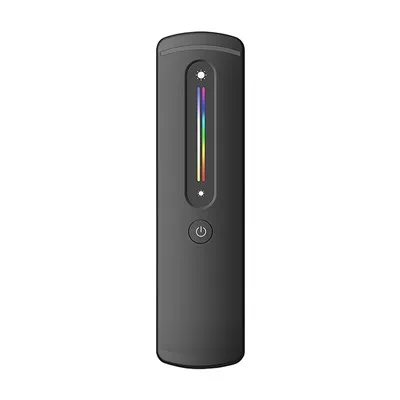
If you’re interested in our LED controllers and RF remotes, whether you need them for a cold – weather project or just for regular use, I’d love to talk to you. We can discuss your specific needs and find the best products for you. Don’t hesitate to reach out and start a conversation about a potential purchase. We’re here to help you light up your world, no matter the temperature!
LED Driver References:
- Electronics Engineering textbooks on the effects of temperature on electronic components
- In – house product testing reports on LED controllers and RF remotes in cold environments
Dongguan Lanbaoli Intelligent Technology Co., Ltd.
As one of the most professional led controller and rf remote manufacturers and suppliers in China, we’re featured by quality products and low price. Welcome to buy advanced led controller and rf remote for sale here from our factory. If you have any enquiry about quotation, please feel free to email us.
Address: 10th Floor, Building 32, Golden Town, No. 7 Technology Avenue, Houjie Town, Dongguan City, Guangdong Province
E-mail: anna@lampow.cn
WebSite: https://www.lblsensor.com/
